Preventing Unauthorized Entry on Construction Sites
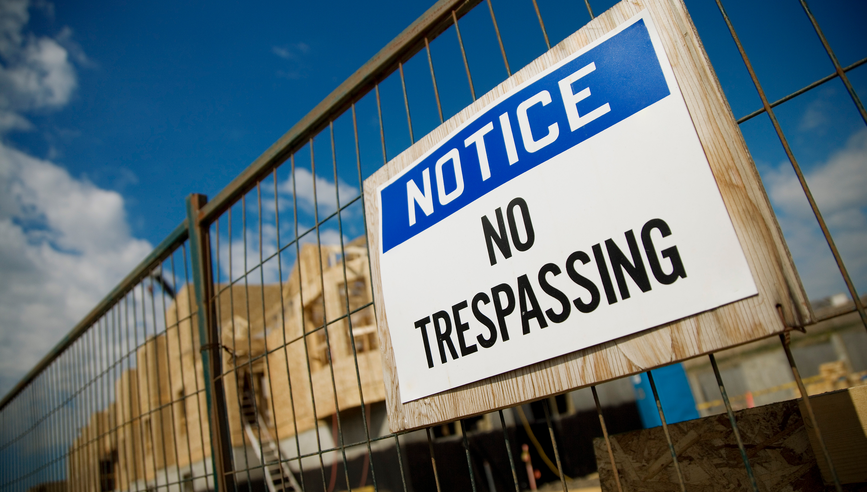
Construction sites can be prime targets for theft, vandalism and other acts of unauthorized entry, which can lead to the loss of or damage to work in progress, equipment and materials. Contractors and developers can address this exposure by putting a multi-layered crime/theft prevention plan in place to make it as difficult as possible for unwanted persons to gain access to the site.
Developing a site-specific crime/theft prevention plan starts with determining the potential for crime (theft, burglary, arson and vandalism) in the area. A discussion with local law enforcement to review crime trends, target commodities and other threats can assist you in understanding the risk and developing an effective, multi-layered plan to help secure your site.
The First Layer: Physical Barriers
The front line of defense for a construction site is establishing effective physical barriers and access control to prevent trespassers from accessing the site. This can include full perimeter fencing, locked access gates, lighting, and no trespassing signs.
- Install perimeter fencing and keep gates locked when the site is unoccupied. The weakest point of most chain-linked fences can be at the bottom. A person may be able to crawl under a fence that is not secured to posts or a bottom wire.
- Controlling keys can be an important step to help limit the potential for theft. Limit the number of people who have access to tools, equipment and materials. Consider changing locks periodically.
- Select padlocks that do not have exposed shackles. Padlocks with exposed shackles may be easily cut with bolt cutters or portable grinders. Avoid leaving a padlock hanging in the open position.
- Illuminate the site during off hours to provide visibility for law enforcement to monitor the site. Position the lighting to face the site and avoid blinding.
The Second Layer: Electronic Detection Systems
Electronic motion-activated detection systems, when installed properly, can help to ward off intruders and prevent losses. In addition to the building under construction, consider monitoring structures such as office trailers and materials storage areas and containers. Other types of sensors and alarms can be added to many systems, including temperature, water flow, glass breakage and electrical service. To be most effective, electronic detection systems should be continuously monitored. To learn more, see our guide, Centrally Monitored Electronic Intrusion Systems.
The Third Layer: Security Guard Service
A qualified security guard service can help provide an on-site presence during non-working hours. This can be particularly important in high crime areas or where values warrant. An effective security service can provide documented periodic site inspections including monitoring all access points and conditions on-site. Provide the security guard service clear response instructions that include notification procedures to site management and local authorities. When selecting security guard services, review its qualifications carefully and confirm insurance. To learn more, see our guide, Security Guard Service on Construction Sites.
The Fourth Layer: Materials Management
Material and equipment may be delivered to construction projects well before their intended use, making them easy targets for thieves. Plan material deliveries for when they will be needed, if possible, and store them in a secure location.
- If materials are stored off site, ensure security controls are in place, including inventory management and restricted access.
- Assign someone to manage material deliveries and inventory. Material and equipment deliveries should be inspected for damage or shortages and documented.
- Do not store tools, equipment and materials on the job site longer than necessary.
Additional Controls
- Establish an end-of-day closing procedure to document and verify that all security controls are in place prior to leaving the site. This may include checking all window and door locks, activating alarm systems, securing high value materials and confirming all workers have left the site.
- Designate a parking area for personal vehicles. This can help control vehicle traffic, make your job site safer, and reduce the risk of having tools and equipment stolen.
- Communicate security protocols and expectations to all subcontractors and visitors to the site upon arrival.
- Engage and invite local law enforcement to the site to build effective communication and collaboration on crime and theft prevention. Request additional patrols of the site.
- Reach out to neighbors and community leaders for their help protecting the site to support building a better environment for residents and businesses.