Construction Site Fire Hazards and Controls

Fires are among the most common and serious hazards associated with construction operations, and they can potentially cause major property losses and fatalities. To control this hazard, construction managers, general contractors, and subcontractors should have programs and procedures in place to help limit the potential for fires.
The following information covers typical fire hazards found on construction sites and the precautions that can be taken to help control them.
Fire Extinguishers
Fire extinguishers are typically the first line of defense for combating fires. They are classified by the type of fuel that is burning and the media necessary to extinguish it.
Class A fires involve ordinary combustible materials such as wood, paper, rags, and rubbish.
Class B fires involve vapor-air mixtures from flammable liquids such as gasoline, oil, grease, paints, and thinners.
Class C fires involve energized electrical equipment.
Class D fires involve combustible metals such as magnesium, titanium, potassium, and sodium.
A multi-purpose Class A, B, C fire extinguisher is appropriate for many construction sites. This type of extinguisher is effective at controlling all three types of fires typically found on construction sites: general combustibles, flammable liquids, and electrical sources.
Many contractors supply fire extinguishers on projects and falsely assume that employees know how to use them. Contact your local fire department or fire extinguisher supplier to conduct fire extinguisher training.
Fire extinguishers must be kept in good working condition. Regular inspections and tests, as well as preventive maintenance, are important to help ensure fire extinguishers function properly.
Fire extinguisher requirements are contained in the applicable OSHA standards. (see references)
Housekeeping
Poor housekeeping contributes to fire hazards on many construction sites. A small fire can quickly spread to piles of scrap or waste materials.
All combustible refuse (scrap materials, packaging, and wastepaper) should be removed regularly.
All waste piles or dumpsters should be located in areas away from potential ignition sources. Do not expose waste piles or dumpsters to overhead welding or cutting.
Welding and Cutting
Every construction manager, general contractor, subcontractor overseeing or completing hot work should develop a formal, written hot work permit program. This program should include, at minimum; notifying the fire department that hot work is being performed, removing all combustibles from the hot work area, and having suitable fire extinguishing equipment in the work area. In addition, there should be a 1-hour fire watch after completing the hot work. The hot work permit program should conform to NFPA 51B, Standard for Fire Prevention during Welding, Cutting, and Other Hot Work.
Welding and cutting should not be conducted in confined spaces or where flammable vapors may be present unless the appropriate precautions have been taken. Refer to the Travelers resource, Cutting, Welding and Hot Work Operations for more information.
Compressed Gas Cylinders
Oxygen and fuel-gas cylinders in storage should be separated by a minimum distance of 20 feet (6 meters) or separated by a 5-foot (1.5 meter) high barrier of noncombustible material. When not in use, valve protection caps should be placed over cylinder valves to prevent accidental valve damage or displacement.
Because of the extreme flammability of liquid petroleum gas, it should never be stored inside a building.
Oil and grease in the presence of pure oxygen can burn with explosive force if ignited. Never use these materials around pure oxygen.
Because compressed gases are extremely flammable and explosive, only trained, qualified and authorized personnel should be permitted to handle them.
Cut-off Saws
Sparks produced by cut-off saws can ignite nearby combustible materials. All combustible materials should be removed from the area or protected from sparks. A fire extinguisher should be readily available, and a fire watch should be posted at the work site for at least 1-hour after the work is completed.
Flammable and Combustible (Ignitable) Liquids
Flammable and combustible liquids used on construction sites require specific controls and safeguards. Storage of Class I and Class II liquids should not exceed 60 gallons (227 liters) within 50 feet (15 meters) of the building. Open flames and smoking should not be allowed in flammable and combustible liquid storage areas. Class I and Class II liquids should be stored in approved containers. A fire extinguisher is required on all service/fueling trucks.
Fuel storage and handling areas should be:
- Located away from all fire exposures
- Free from accumulated debris or undergrowth
- Properly grounded and bonded
- Posted with "no smoking" signs
- Equipped with appropriate fire extinguishers
Use approved safety cans for storing and dispensing small quantities of flammable liquids. The flash-arresting screens inside safety cans should not be removed. The screens are designed to keep any ignition source from igniting the vapors inside the can.
Refer to NFPA 30, Flammable and Combustible Liquids Code, for additional guidance.
Temporary Electrical Equipment
Only qualified personnel should perform electrical installations and repairs.
Conductors must not rest on floors or be installed in a manner that will subject them to physical damage. They should also be of sufficient current-carrying capacity to supply the demand and should be equipped with over-current protection.
Ample electrical outlets should be provided throughout the work area to eliminate the need for excessively long or overloaded extension cords.
Electrical cords and equipment should be periodically inspected. Damaged or worn equipment or cords should be taken out of service and repaired or replaced. Equipment should be connected to a ground fault circuit interrupter (GFCI). Essentially, all electrical wiring and equipment for lighting, heating or power purposes should comply with NFPA 70, National Electrical Code.
Light bulbs used in temporary lighting systems should be equipped with protective baskets to help prevent contact with combustible materials. Lighting systems should be properly secured to prevent accidental displacement of the fixtures to, prevent igniting combustibles.
Temporary Heating Equipment
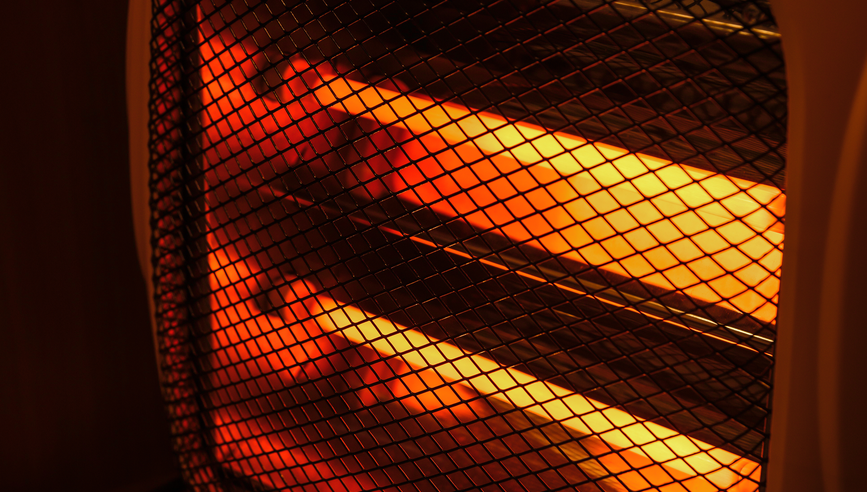
The use of temporary heaters causes a number of fires every year. When using temporary heaters, it is important to remember to keep all combustibles away from the heaters. Heaters should not be left unattended. The heaters also should be approved for the particular use. Temporary heating equipment should be monitored for safe operation and maintained by trained personnel.
All heating equipment must be installed with proper clearances from combustible materials and with proper ventilation.
Take care when using temporary enclosures. Temporary enclosures should be made with flame-resistant tarpaulins or materials with low flammability.
Foam Plastic
Many types of foam plastic used for insulation are extremely combustible. Welding and cutting should not be allowed near foam plastics. Foam plastic materials should be sheathed with fire-resistant materials as soon as possible to reduce the exposure.
Smoking
Construction managers, general contractors, and subcontractors should enforce stringent smoking controls. Smoking should be prohibited during the demolition as well as during other hazardous construction phases.
If smoking is permitted, designated smoking areas should be created. Combustibles should be removed from designated smoking areas. Proper containers for cigarette extinguishment should be provided. No Smoking signs should be posted in areas where smoking is prohibited.
Unauthorized Access
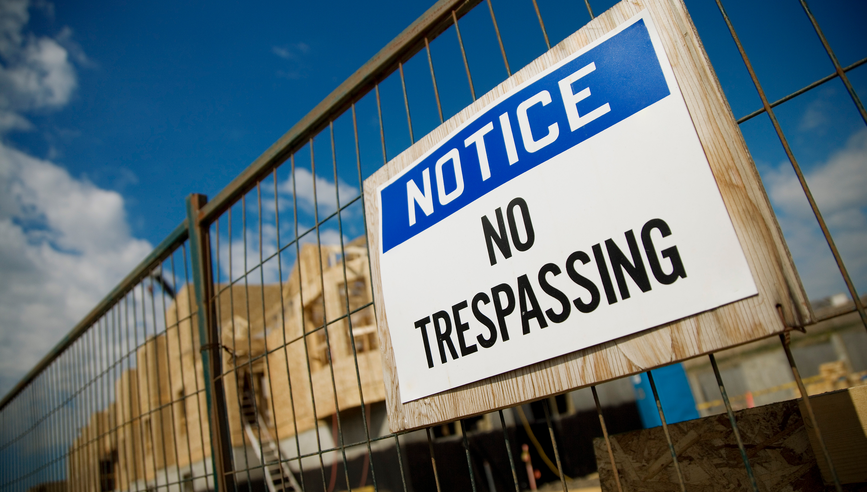
During building construction and renovation, lack of security can increase the potential for unauthorized people to access the building site. These people can cause vandalism or start a fire (intentionally or unintentionally). Having proper lighting, fencing and periodic security patrols can help reduce this risk.
References
29 CFR parts 1926.24 and .25, .150 through .159, .350 through .352, and .405
National Fire Protection Association, NFPA 10, Portable Fire Extinguishers
NFPA 30, Flammable and Combustible Liquids Code
NFPA 51B, Fire Prevention During Welding, Cutting and Other Hot Work