Cutting, Welding and Hot Work Operations
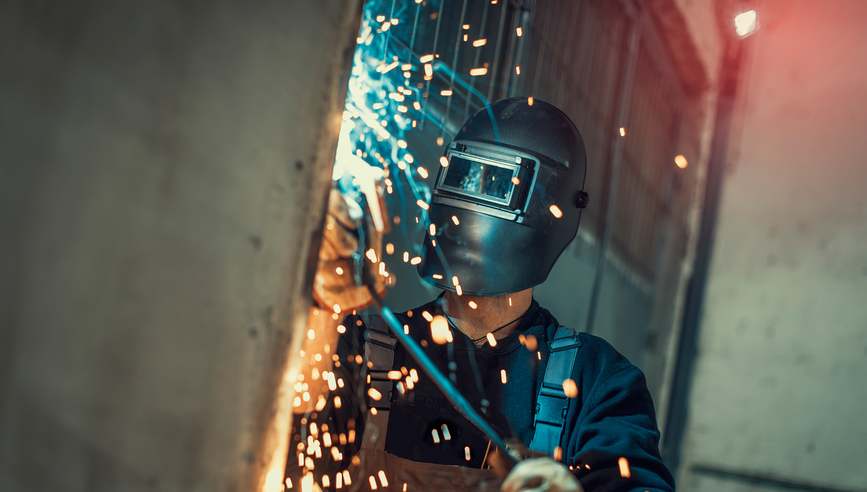
Cutting, welding and other hot work operations can present a serious fire hazard. Following safe hot work precautions and having a hot work permit process are important steps to help control these types of fires.
The permit process should be used whenever hot work operations are conducted in an area that is outside a maintenance shop or other safe area that is set up for hot work operations. This includes when maintenance personnel conduct work within your facility.
Contractor Management
It is also important to manage outside contractors who may be hired to complete work that involves cutting, welding and hot work operations. Even experienced contractors may not be aware of all the hazards that may exist in the areas where work is being performed. For additional information about managing this exposure, see Control of Outside Contractors for Property Protection. The permit process, combined with strong support by management and trained employees, can help control this exposure.
This document provides information explaining hot work safety basics, both for employers whose workers perform hot work and for employers who have contractors performing hot work. In addition to these practices, refer to applicable jurisdictional regulations that may relate to cutting, welding and hot work operations.
Hot Work Basics
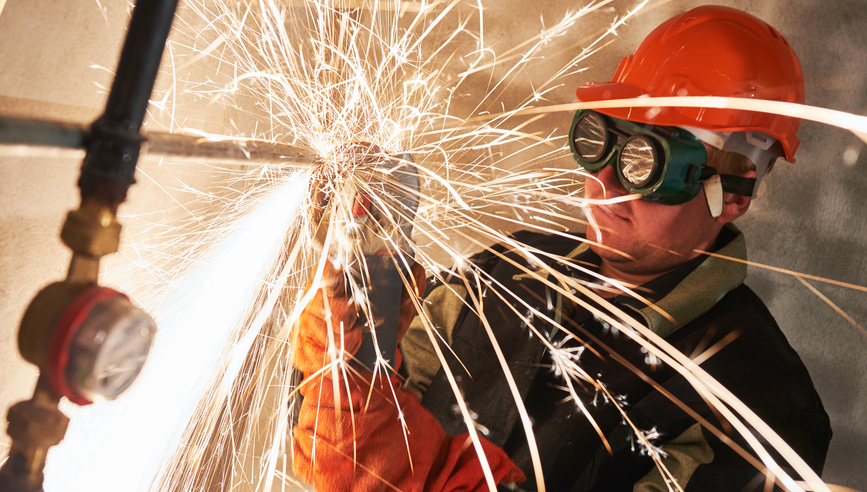
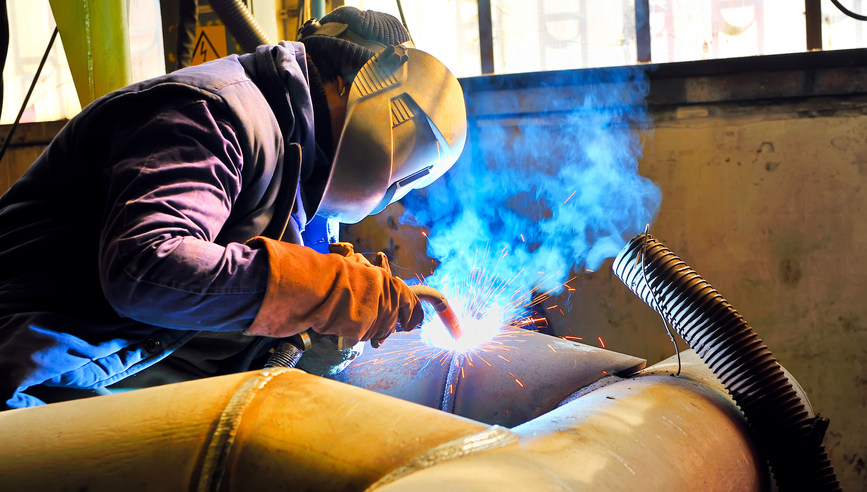
Hot work is defined as any operation that generates heat, sparks or flames. Fires caused by hot work operations routinely result when sparks or hot metal spread and come into contact with combustibles. The combustible materials smolder and eventually catch fire, sometimes after work has ended and employees have left the area. Sometimes the heat or flame ignites combustible or flammable materials located too close to the hot work area.
Common reasons for fires caused by cutting, welding and hot work operations include:
- Inadequate work site preparation
- Defective equipment
- Outside contractors failing to comply with hot work precautions
- Poor housekeeping
- Conducting operations in areas where sprinkler protection is shut off
- Failure to maintain fire watches or to provide adequate fire extinguishing equipment
Common Failures
Small facilities often believe that because hot work is an infrequent occurrence, a formalized permit system is not necessary. Actually, the less hot work is performed, the more important it may be to have an established program since employees may not be familiar with the hazards and the precautions they must take. On the other hand, larger facilities that have established programs must be careful not to become complacent. When permits are issued regularly, the process may become a formality and permits may be issued without a careful assessment of the work or verification that necessary precautions are being taken.
Many companies have experienced major fires because they trusted their facility to a contractor who "must know what they are doing or they would not be in business." Contractors should be closely supervised. All rules and regulations that apply to employees should be equally applicable to contractors. When using outside contractors, written contracts should include requirements related to hot work procedures.
In addition to written contracts, select contractors who have properly trained personnel and who have an awareness of the magnitude of the risks involved in hot work operations. Inform contractors about any flammable materials or hazardous conditions where special precautions must be taken.
When Should the Permit Be Used?
Ideally, all hot work operations should be conducted in designated, properly safeguarded areas, such as a maintenance shop or detached outside location. When work cannot be moved to a maintenance shop or outside location, a hot work permit should be obtained before conducting any hot work operations. The permit should only be issued after a trained supervisor has assessed the area and has verified that all safety precautions are being taken.
Selection and Responsibilities of a Supervisor
Hot work operations should be closely monitored. The success of the program depends on the training and knowledge of those who manage the permit program.
Management should appoint a responsible person as a supervisor to closely monitor the use of all hot work equipment. The supervisor should be familiar with hot work processes, the hazards in the areas where work will be performed and be able to determine precautions that should be taken to complete the work in a safe manner.
Before cutting or welding is permitted, the assigned supervisor must inspect the area to verify that all precautions have been taken. The inspection should start with a simple question: "Is a hot work operation necessary to complete the work?" Often, welding and flame cutting are used because it is fast and easy even though safer methods, such as mechanical fastening and sawing, could be used. If hot work is not absolutely necessary, consider alternatives. Cutting and welding operations should not be permitted in hazardous areas.
Upon verifying that the precautions listed on the permit are implemented, the supervisor can authorize the work and sign the permit. The date, time the permit expires, area involved, type of job and names of the assigned fire watch personnel should be recorded on the permit.
No work should be allowed to begin without a signed permit at the job site. The supervisor should keep a copy of the permit as a reminder of the project. If the work will continue for more than one shift, a new permit should be issued for the next shift. If conditions cannot be made safe, use other methods to complete the work request.
Listed below is an overview of the safety precautions that should be verified before a supervisor authorizes a hot work permit.
Precautions
To extinguish any fires that may start, provide a fire watch for the involved area and include tours of the floors above and below. The fire watch should be continuous during the hot work operation, during lunch breaks, etc., and continue for at least one hour after the work has been completed. If the hot work ends near the time of a shift change, arrangements should be made for the patrols to continue into the next shift.
Equip fire watch staff with portable fire extinguishers and/or charged small hose lines and make sure they are trained in their use. Fire watch staff also should know how to sound the fire alarm.
Use only equipment that is in good condition. Valves, regulators, hoses and torches should be thoroughly checked. Before beginning, secure the gas cutting and welding cylinders so they will not overturn or be damaged, and verify that the protective caps are on all cylinders not in use. When using electrical arc welding equipment, the ground clamp can be a source of ignition. The ground clamp should be carefully connected close to the work so it can be easily observed.
Welding, cutting or other hot work should be avoided in any building where sprinklers are out of service.
Within 35 Feet (10 Meters) of the Work Area
- Prohibit hot work until surrounding floors have been swept clean.
- If floors are of combustible construction, they should be adequately protected to prevent ignition.
- Remove all flammable liquids from the area and clean up any oily deposits.
- Move combustibles at least 35 feet (10 meters) from hot work operations. If combustibles cannot be moved, they must be protected by metal guards or flameproof curtains or covers. Do not use ordinary tarpaulins.
- Prohibit hot work until all wall and floor openings within 35 feet (10 meters) of the operations have been tightly sealed or otherwise protected with metal guards or flameproof tarpaulins.
Work on Walls and Ceilings
- Do not work on combustible walls or ceilings, or those containing combustible insulation.
- Combustibles on the other side of the wall should be moved away so any heat that is transmitted through the wall will not ignite the combustibles.
- When working on ceilings or upper levels of process equipment, fire resistant tarpaulins should be suspended beneath the work area to collect sparks.
Work on Enclosed Equipment
- Before working on enclosed equipment, remove any combustible residue from its interior. When working on duct systems, also remove any combustible screens or dust bags.
- Prohibit hot work in or on vessels containing flammable or combustible contents or residue until they have been completely cleaned and purged. Use gas detectors to monitor for flammable or toxic gases if there is a potential that they could be released during the hot work operation.
Final Check-Up
- After the hot work is finished, the permit should be returned to the supervisor.
- The supervisor should return to the scene within two to four hours after the work has been completed to check the area. After this final check, the supervisor should complete and sign the permit.