Control of Outside Contractors for Property Protection
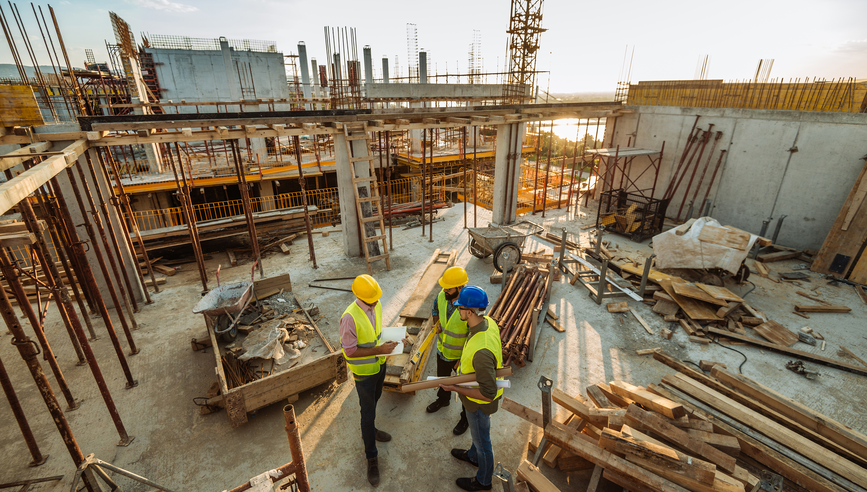
Outside contractors are used by businesses when a particular expertise is required to do a specific job (such as electrical, plumbing, roofing and other construction trades); or where a business chooses to transfer the risk of a particular job or process to another company to avoid the financial consequences from a loss that could result from this work. These contractors may have the required expertise to do the job, but they may be unfamiliar with the hazards found at their customer’s workplace. These worksite hazards, together with the hazards associated with the contractor’s work, if not properly controlled could result in a property loss.
The following information reviews property protection steps that a business should take when contracting work to others on its premises to minimize the exposure to property loss. It specifically addresses the areas of impairments to fire protection systems, hazardous operations and “hot work” operations. While it is probably not possible to list all the steps that should be taken when contracting work since each project is unique in both scope and location this generic approach can help, but projects will require careful planning to avoid problems. This document outlines this planning process.
Contractor property safety
It is imperative that businesses using contractors establish procedures to be followed when contractors are used. The following is a list of items that should be considered:
- The contractor selection process should not automatically award the contract to the “lowest bidder,” but should consider the contractor’s experience with the work he will complete and his experience working with the particular industry involved.
- The contractor’s safety records should be examined and those with past history of losses should not be used. This information can be somewhat difficult to obtain, but inquiries to OSHA, the local fire department, etc., can yield useful information.
- Have a pre-job meeting with the contractor to discuss hazards found at the jobsite (such as flammable liquids, flammable vapors, explosive gases, combustible dusts, ignition sources, etc.) and how these hazards are controlled. It is the business owner’s responsibility to educate the contractor about site-specific hazards, emergency procedures and safe work practices. This training and pre-job discussions should be documented.
- Determine if the contractor’s operations will present additional hazards (such as welding) or reduce the effectiveness of the existing controls (such as impairing a fire protection system).
- Contract work should be conducted at times that minimize the exposure to loss. Hazardous operations should not be conducted when protection systems are impaired. For example, sprinkler contractor work that requires shutting off the sprinkler protection should be scheduled for times that normal production hazards are not in operation, such as on nights or weekends.
- Work that requires shutting off fire protection systems should be arranged so that the protection systems are shut off for as short a time as possible.
- The contractor and a safety representative of the business should inspect the area prior to work beginning to ensure that necessary precautions have been and are being taken.
- Sources of ignition from production processes should be shut off in areas where a contractor is using flammable liquids or gases.
- Additional fire protection or detection may be required during contract work. A fire watch and additional fire extinguishers or hoses may be desirable.
- The contractor must provide proof of general liability insurance coverage with adequate limits based on the job exposure. The business should be named as an additional insured on this policy.
Fire protection impairments
Often contract work will require the contractor to shut down existing automatic sprinklers or fire protection systems to repair these systems or tap into the system to make a plumbing connection or extend the protection. Power to fire pumps and alarm systems may need to be shut off to allow the contractor to work on the equipment safely. Fire protection water storage tanks may need to be drained to repair them. These impairments must be properly controlled.
Proper control requires that impairments be scheduled to minimize the impact. For example, when working on sprinkler systems, a contractor should do all work possible before shutting down the system so that the actual down time is minimized. Property owners should have a documented impairment system in place to ensure that any impairment is planned, recorded and there are procedures in place to ensure that protection is restored after the work is completed.
The Travelers Fire Protection Impairment Report Form should be used for all protection impairments. A related Fire Protection Impairment Guide can be referenced for more information.
Contractual risk transfer
It is extremely important to obtain certificates of insurance from contractors who work at your site. For additional information, please refer to the document titled Risk Transfer: Managing 3rd Party Relationships.
Hazardous conditions/operations
Hazardous conditions may arise from processes (flammable gases, vapors or dust) or materials (combustibles) located at the jobsite or as a result of the contractor’s process (welding). In businesses that fall under the scope of OSHA’s Process Safety Management Standard (29 CFR 1910.119), the steps needed to identify and control hazards are mandated by the standard. These businesses must have clear, written procedures for each job with authorized work dates, specific equipment and practices that will be used.
Care must be taken whenever work is done in areas where flammable or combustible liquids, vapors, gases or dust may be present as part of ordinary operations or as a result of a spill or accident. Ignition sources in these areas must be controlled. Proper electrical equipment must be used as specified by the NFPA 70, National Electrical Code (NEC) for hazardous locations. Ordinary electrical equipment must be prohibited from the area. Hot work must be prohibited from occurring in hazardous environments until the area can be purged of all flammable liquids and/or vapors.
No smoking signs should be prominently displayed. Even a dropped hand tool could cause a spark that could result in a fire or explosion in a hazardous environment. Contractors must use the proper type of tools, electrical cords, etc., when working in a hazardous environment.
Hot work
Welding and other hot work, such as cutting or brazing, present serious fire and explosion hazards. This work brings an ignition source into an area that may have combustible materials. Business should establish a “Hot Work” Permit system to ensure that the proper precautions are taken before any “hot work” takes place. Precautions include:
- Pre-inspection of the work area to ensure hazards are eliminated
- Combustible materials should be removed or protected from hot sparks and heat
- Proper use of fire watch during and for at least one hour after the work is completed to ensure no fires start or are smoldering
- Portable fire protection such as hoses or fire extinguishers should be provided
For additional information, please refer to the document titled Cutting, Welding and Hot Work Operations and the Hot Work Permit Tag, both on the MyTravelers® Risk Control website.
Conclusion
The use of outside contractors may be a necessary and desirable aspect of running a business. Extreme care must be taken to ensure that the contractor’s operations do not subject the business’s property to unnecessary or uncontrolled hazards. To avoid problems, each job must be evaluated to determine the hazards that will be present. Precautions and rules should be established and enforced. Communication between the contractor and management must be maintained to ensure all concerned parties understand the hazards and safety controls and agree that proper precautions will be implemented without fail.